
LED facial mask: real benefits, risks, and how to use it safely. If you're looking for a clear guide on what light masks do for your face, what they're used for, and when to avoid them, you'll find a comprehensive and practical overview here.
Coming soon
- Red, blue, and near-infrared light act on the skin without heat or UV radiation; they help with acne, fine wrinkles, and redness.
- Gradual results: usually seen in 4–8 weeks with 3–5 weekly sessions of 10–20 minutes.
- Low risks, but they do exist: mild irritation, photosensitivity due to drugs, eye discomfort if there is no protection.
- Avoid use with photosensitive disorders, light-triggered migraines, pregnancy (unless medically approved), or active skin lesions.
- Choose certified equipment with eye protection and adequate power, combined with healthy recovery habits.
| Issue | Key points |
|---|---|
| Benefits | It complements acne control, improves texture and luminosity, supports collagen synthesis, and calms inflammation. |
| Evidence | Clinical reviews indicate moderate and safe utility, with variable results between individuals and protocols. |
| Risks | Dryness, transient redness, eye discomfort; avoid if you have photosensitivity or specific conditions. |
| Use | 3–5 times/week, 10–20 min, 4–8 weeks; cleansing, photoprotection, and consistency. |
| Choice | Clear wavelengths (red/blue/NIR), certifications, eye protection, quality materials. |
What is the LED facial mask and how does it work?
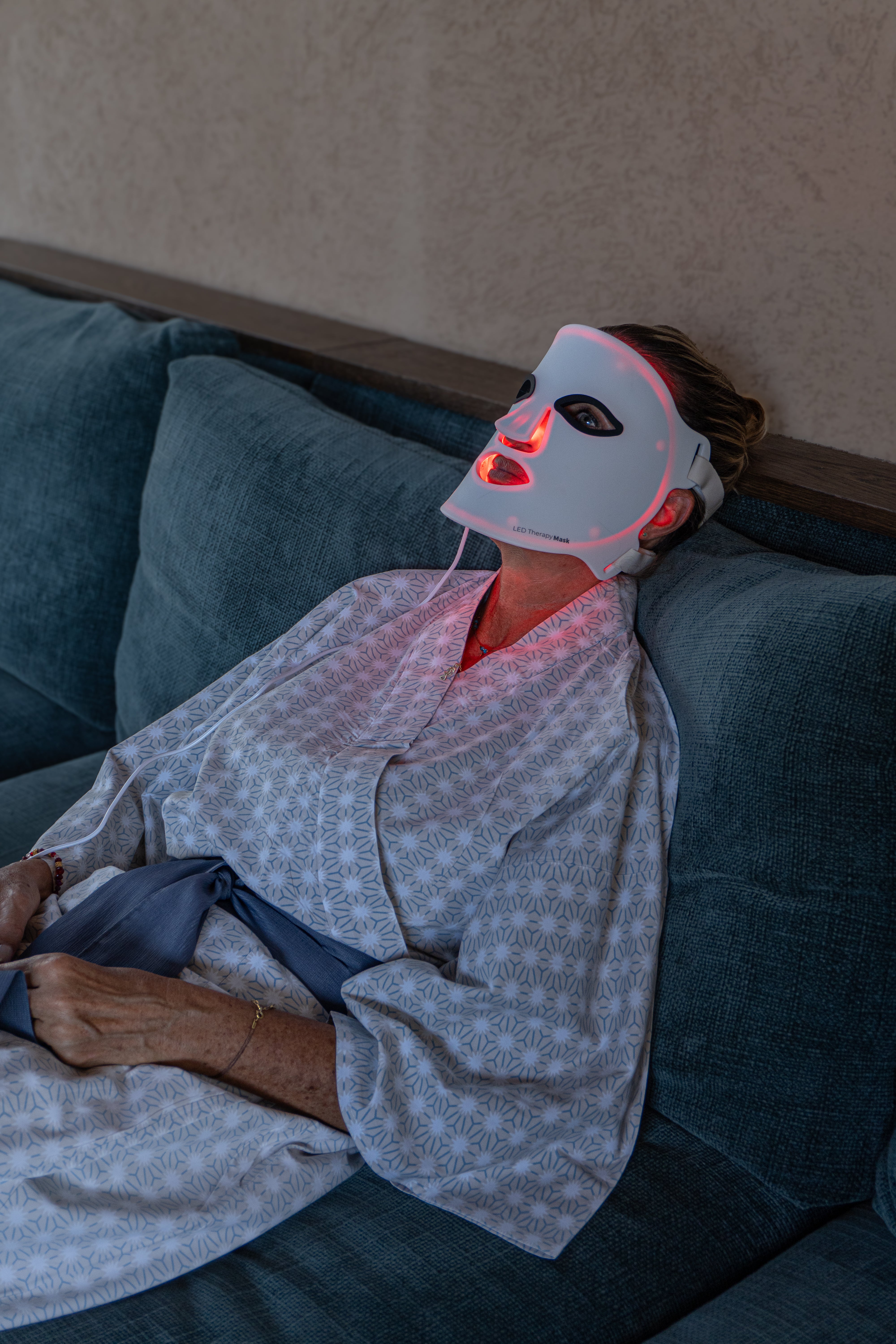
The LED facial mask is a photobiomodulation device that emits specific wavelengths to modulate cellular processes without heat or UV radiation. Unlike ablative lasers, it uses low energy to stimulate or inhibit biological pathways with a favorable safety profile.
Facial red light
Bring your skin back to life
★★★★★ 4,8/5 · rated by verified customers
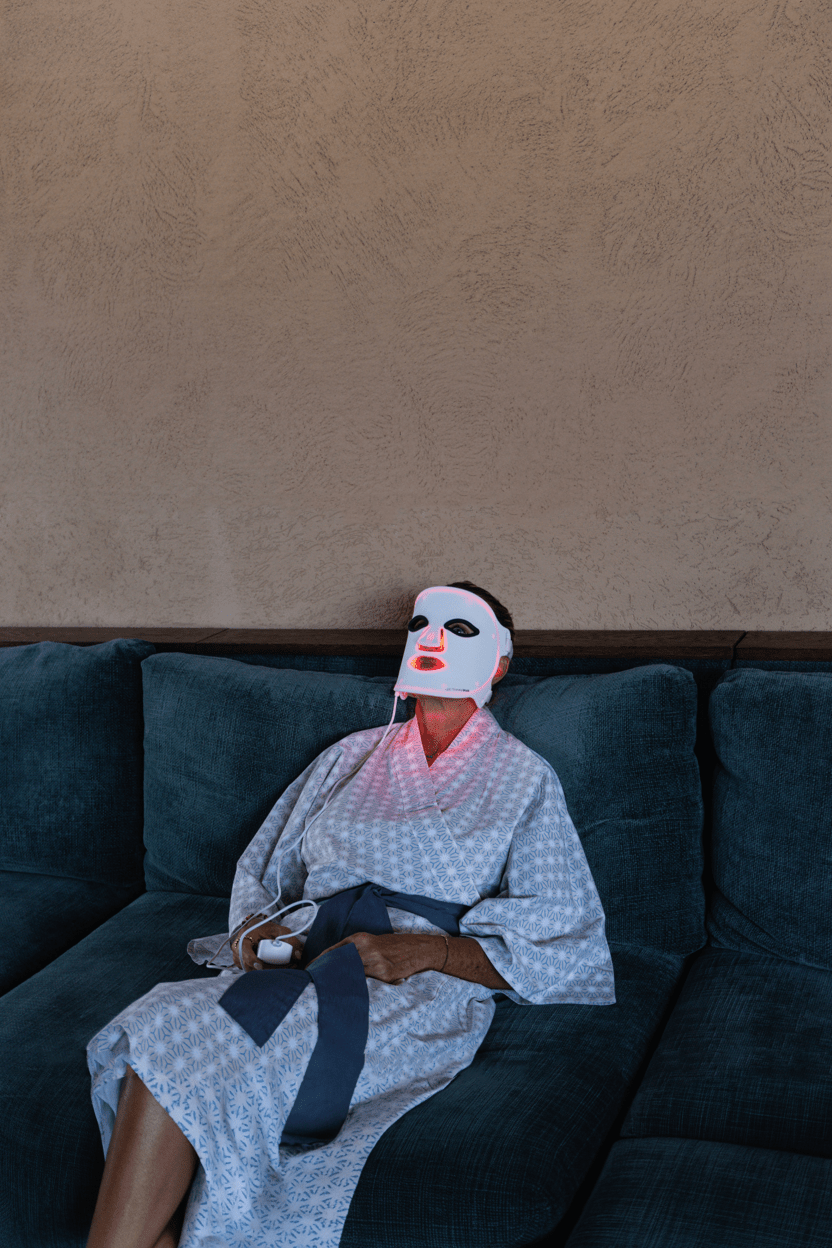
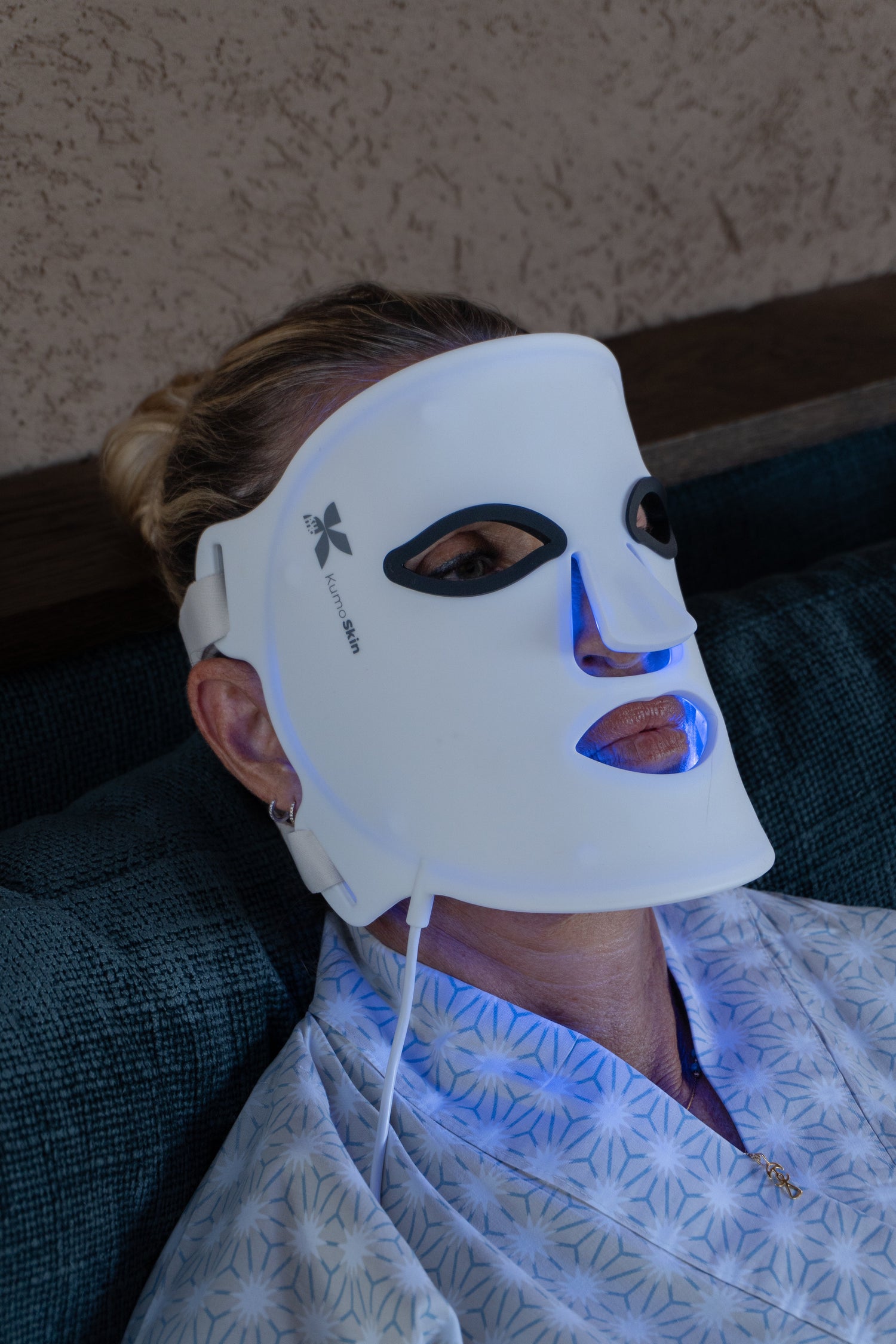
The KumoSkin LED mask helps repair and calm your skin in short sessions at home.
- 250 LEDs in flexible medical silicone
- Red light to boost collagen and glow
- 4 lights: red, infrared, blue and yellow
€299,00€429,00
−10% on your 1st order when you subscribe to the newsletter

Wavelengths and effects
- Red light (≈630–660 nm): Promotes collagen synthesis and tissue repair; useful for fine lines and dull skin tone.
- Blue light (≈405–470 nm): helps reduce the bacterial load associated with acne and reduces superficial inflammation.
- Near-infrared/NIR (≈800–850 nm): Penetrates deeper; supports recovery, microcirculation, and soothes.
The key is the dose (irradiance x time). Too much does not improve results and can cause irritation.
What you can expect (realistic timeframes)
With consistent use, many people notice fewer breakouts and improved texture between weeks 4 and 8. Improvement in fine wrinkles tends to be gradual and subtle, cumulative over time, and combined with habits like daily sunscreen. The response is individual and depends on consistency and the protocol.
Personalized protocol · included with your purchase
Want us to tell you how to use it in your case?
With your purchase, our experts prepare the ideal LED protocol for your skin type and goal (acne, wrinkles, dark spots...).
Message us on WhatsAppOur experts reply · no obligation
Evidence-backed benefits
The scientific literature supports photobiomodulation as an adjuvant in several dermatological indications, with high safety and moderate efficacy depending on the case.
Acne and inflammation
Blue light reduces acne-associated bacteria, and red light calms inflammation. Medical societies report its usefulness as a complement, especially for mild to moderate acne or when topical medications are intolerant. See the American Academy of Dermatology for clinical guidance. A clinical review of photobiomodulation describes improvements in inflammatory lesions with protocols of 2–3 sessions/week for several weeks ( NCBI, open review ).
Fine wrinkles and firmness
Red/NIR light can stimulate fibroblasts and collagen synthesis, improving the appearance of fine lines and elasticity. Evidence suggests modest and progressive benefits, especially when combined with sun protection and an appropriate topical routine. Clinical centers highlight its safety profile in noninvasive photorejuvenation (Cleveland Clinic).
on your first order when you join the newsletter
We send you the code instantly. No spam.
Spots and hyperpigmentation
The effects on dark spots vary. Visible light, particularly blue light, could aggravate melasma in darker skin types; therefore, caution and strict sun protection are recommended. The prescription should be individualized with a dermatologist, especially if there is persistent melasma or post-inflammatory hyperpigmentation.
Recovery and well-being
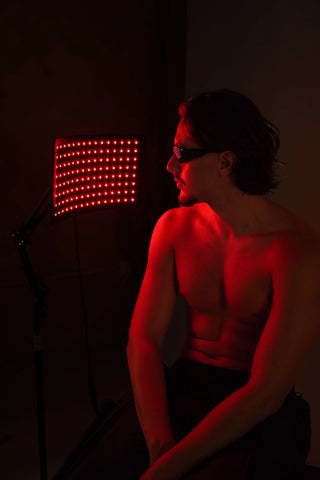
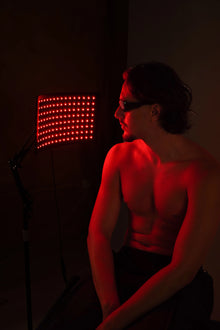
Red/near-infrared light is also used to support microcirculation and recovery after exercise, improve sleep quality, and promote a sense of rest at the end of the day. If you're interested in integrating light therapy into your recovery routine, explore KUMO's LED light therapy category.
Risks, side effects and contraindications
In healthy people, adverse effects are usually mild and temporary. However, there are situations in which it is advisable to avoid it or seek medical advice.
Who shouldn't use it
- Photosensitive disorders (e.g., lupus), photosensitive epilepsy, or light-triggered migraine.
- Use of photosensitizing drugs or supplements (e.g., certain tetracyclines, St. John's wort).
- Pregnancy or breastfeeding: Safety is not fully established; consult before use.
- Suspicious lesions, active skin cancer, open wounds, or facial infections.
- Recent surgeries or procedures (laser, deep peels) until medically cleared.
Most common side effects
- Dryness, mild erythema, itching or a transient feeling of heat after the session.
- Eye discomfort or headache if proper eye protection is not used.
- In highly reactive skin or with melasma, possible worsening of pigmentation with visible blue.
If irritation persists, discontinue use and consult a professional.
Eye safety and photoprotection
Always protect your eyes with certified opaque goggles and adjust your mask tightly to prevent light leakage. Although LEDs don't emit UV light, the treated skin may be more reactive; use broad-spectrum sunscreen daily and reapply as needed based on activity.
How to use it safely and effectively
A consistent and prudent routine makes the difference between visible results and frustration.
Frequency and duration
- 3–5 sessions per week, 10–20 minutes per session.
- Avoid exceeding the manufacturer's recommended time; more is not better.
- Schedule 8–12 week cycles and re-evaluate results.
Step-by-step guide
- Cleanse and dry your face; avoid strong acids just beforehand.
- Put on the eye protection mask and select the mode (red, blue, NIR or combinations).
- Hold the session for 10–20 minutes without moving the device.
- Remove, moisturize with a gentle product, and apply sunscreen in the morning.
- Record your progress with photos under the same lighting conditions.
Combinations that add up
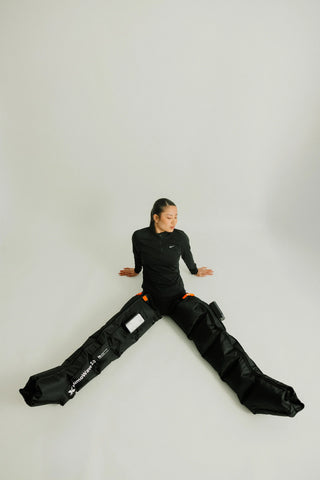
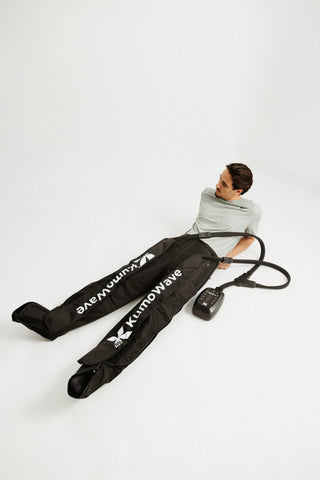
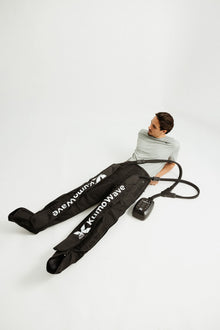
- For overall recovery, combine red night light with pressotherapy routines that activate circulation in the legs.
- On intense training days, a gentle percussion massage can relieve muscle strain; meet the KumoPulse Air .
- Integrate sleep and breathing habits; KUMO promotes 360° recovery. Discover our philosophy in KUMO Balance .
How to choose a good LED mask
The quality of the device determines safety and results.
Key technical criteria
- Declared wavelengths (≈415 nm blue, ≈630–660 nm red, ≈800–850 nm NIR).
- Reasonable and uniform irradiance; the manufacturer must provide power and distance data.
- Independent light channels and combined modes.
- Certifications (e.g. CE marking), hypoallergenic materials and adequate ventilation.
- Comprehensive eye protection and a comfortable, stable fit.
Warning signs
- Lack of information on power, wavelengths or certifications.
- Excessive heat during use or glaring glare without filters.
- Promises of “immediate results” or guaranteed cure.
Maintenance and hygiene
Clean the surface with a soft cloth and a compatible disinfectant after each use. Avoid alcohol concentrations that damage the optical material. Store in a dry, dust-free place away from heat sources. Periodically check the wiring and connections. If you notice flickering or failures, discontinue use and contact the brand's technical support; at KUMO, you can write to us from the contact page.
FAQ
How long does it take to see results with the facial LED mask?
Most users notice subtle changes in texture and radiance between weeks 4 and 6, and improvements in acne or redness by week 8, always with 3–5 weekly sessions of 10–20 minutes. The response depends on skin type, consistency, and the goal (acne, wrinkles, redness). Take comparable photos every 2–3 weeks to assess progress. If there are no changes after 12 weeks, review the protocol and strength, or seek dermatological advice to adjust expectations and topical combinations.
Can I use it if I am pregnant or breastfeeding?
There is no conclusive evidence confirming the safety of all devices and protocols during pregnancy or breastfeeding. Although LED light is neither UV nor ablative, caution and prior consultation with your physician are recommended. If approved, limit exposure to short sessions, use strict eye protection, and avoid combining it with irritating topical active ingredients. Prioritize gentle basic skincare routines and daily sun protection during this period.
Can I use it with retinoids or photosensitizing antibiotics?
With topical retinoids, many people tolerate LED if they are spaced out (e.g., LED in the evening and retinoid every other night), but irritation may increase. With photosensitizing antibiotics (such as some tetracyclines) or supplements like St. John's wort, it's wiser to avoid visible LED until the end of treatment. Always consult your doctor to coordinate dosages, schedules, and adjust your routine safely.
Red light or near-infrared: which is right for me?
Red (≈630–660 nm) acts on more superficial layers: it improves radiance, fine lines, and soothes. NIR (≈800–850 nm) penetrates deeper, supporting recovery, microcirculation, and comfort in deeper tissues. Many devices combine both for complementary effects. If your goal is photorejuvenation and even skin tone, prioritize red; for well-being and recovery support, add NIR. Adjust the frequency according to tolerance and the manufacturer's recommendations.
The essentials
- The LED facial mask is a non-invasive support for acne, skin texture and comfort, with a high safety profile.
- Gradual results require consistency (3–5 times/week, 10–20 min, 4–8 weeks) and daily photoprotection.
- Protect your eyes, avoid use if you have photosensitivity or light-induced migraines, and consult if you are pregnant or have a medical condition.
- Choose devices with clear wavelengths, certifications, and transparent power data.
- Integrate light therapy into a 360° recovery routine with complementary habits and tools.
- Ready to take the next step? Explore our LED light therapy or contact us at KUMO . If you have any questions, we're just a message away .
Sources to learn more:
- AAD – Light Therapies for Acne: American Academy of Dermatology
- Review of photobiomodulation in dermatology (open access): NCBI/PMC
- Clinical Overview and Safety: Cleveland Clinic

Facial red light
KumoSkin Mask – LED Facial Mask
★★★★★ 4,8/5 · rated by verified customers
- 250 LEDs in flexible medical silicone
- Red light to boost collagen and glow
- 4 lights: red, infrared, blue and yellow
€299,00€429,00· pay in installments with seQura or Klarna